Screens are everywhere. They’re woven into home life, school life, and, increasingly, into childhood itself. And while technology absolutely has a place in learning — and offers benefits we shouldn’t ignore — I’m becoming more and more concerned about the sheer volume of screen exposure children now experience every single day.
At Home: The Addiction Loop
In many households, screens have become the go-to distraction, the default entertainment, and sometimes even a digital babysitter when life gets busy. I understand it — we all need a moment to get things done.
But the reality is this:
Children’s attention, imagination, and emotional regulation are being shaped by fast-paced, addictive content designed by companies who profit from keeping children watching. We’re not imagining it — the business model is built on addiction. And that worries me deeply.
The result?
Shorter attention spans, less creativity, more emotional dysregulation, and a growing disconnection from real, human experiences.
In Schools: A “Useful Tool” That may become a Crutch
And it isn’t just happening at home. School life is increasingly screen-heavy too.
Tablets, laptops, online programmes, digital worksheets, virtual platforms… many of these tools are incredibly useful. They can save time, support teacher workload, and offer innovative approaches to teaching and assessment.
But we have to be honest:
Sometimes there is far too much emphasis on screen time in schools — particularly for younger children who need hands-on experiences, physical learning, and genuine human relationships to thrive.
Using technology sometimes is great. Using it as a default is not.
Human Connection Is Still the Heart of Learning
Children don’t learn best because an app is colourful or a tablet is fast. They learn best when:
-
- someone looks them in the eye
-
- listens to their ideas
-
- responds to their curiosity
-
- supports them with warmth and presence
-
- offers movement, play, creativity, and embodied experiences
-
- models the joy of learning
These are things no screen can replicate.
Neuroscience tells us this. Children’s emotional systems tell us this. And honestly, our instincts tell us this too.
What We Need Instead
We need a balanced approach where technology plays a meaningful, purposeful role — not the central one. That means:
 Using screens when they enhance learning Avoiding screens when they replace human connection Supporting teacher wellbeing in ways that don’t rely on digital shortcuts Prioritising movement, play, social interaction, and embodied experiences Allowing children to experience real-world learning with their whole bodies
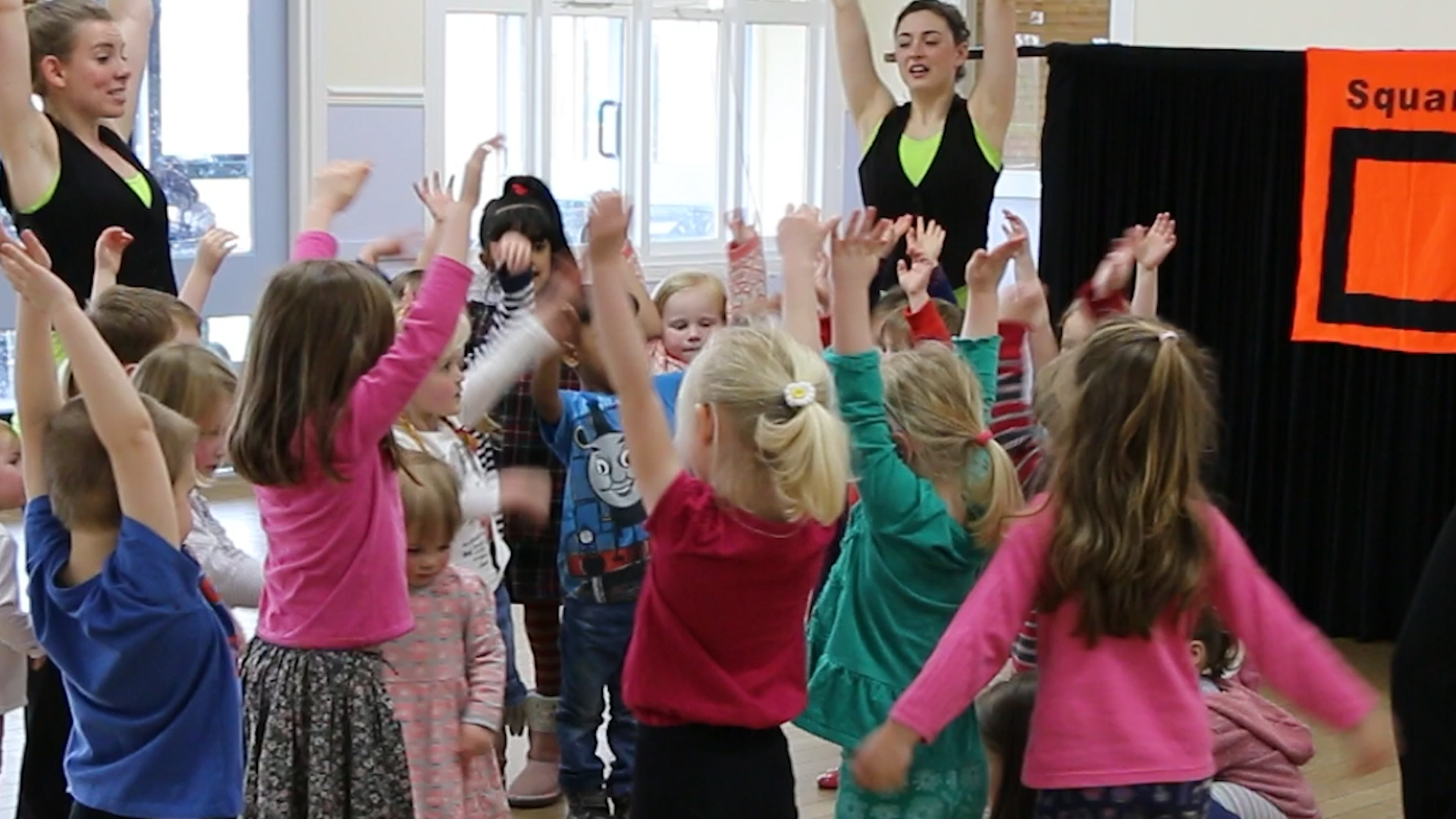
At Dancing Digits, I see the impact every day:
When children move, connect, laugh, and dance their way through learning, something extraordinary happens. Confidence grows. Curiosity grows. Joy grows. And none of that comes from a screen.
A Call for Rebalance
This isn’t about being anti-tech.
It’s about being pro-child.
Screens have a place. But they shouldn’t have centre stage in childhood.
If we want healthier, happier children — and more effective learning — we need to rebalance our relationship with screens, both at home and in school, and remember that nothing can replace the power of human connection.